Reputifly editorial · Reviewed 27 September 2026 · 2 min read
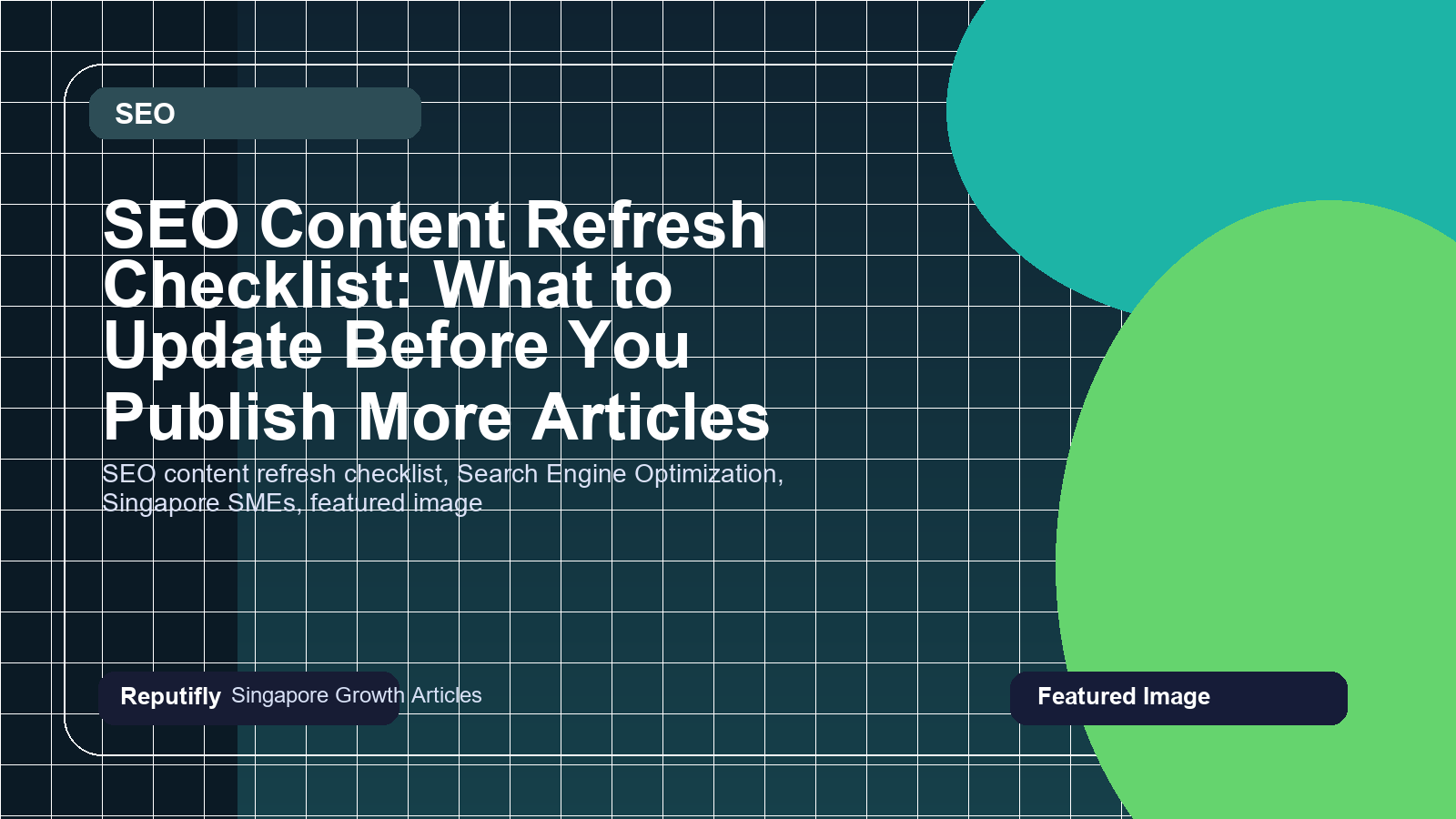
A decision framework for auditing an article library without deleting pages merely because they have little traffic.
Build the inventory before changing URLs
Export the published URLs, titles, content, dates and internal links. Add Search Console page data for a recent period and a longer history. Keep a recoverable copy of each page and record its current canonical and publication status.
A page with no measured clicks may still be useful to customers, sales teams or readers arriving outside Google. Search data is evidence about discovery, not a standalone content-quality verdict.
Use four decisions
| Decision | When it fits | Action |
|---|---|---|
| Keep | Accurate, useful and serving a distinct purpose | Repair links or presentation where needed |
| Rewrite | A useful topic with weak or outdated execution | Improve the existing URL |
| Merge | Several pages answer substantially the same question | Consolidate useful material and redirect to the relevant destination |
| Remove | No useful purpose or supportable content remains | Use a recoverable removal and return a genuine missing-page response if no relevant replacement exists |
Inspect the substance
Look for repeated paragraphs with only the keyword changed, a headline the body never answers, unsupported numbers, invented experience and links to retired services. A longer article can have the same problems as a short one. Replace filler with a specific decision, example, checklist or piece of evidence.
Make the migration coherent
Publish and test replacement content before moving readers to it. Update internal links, check redirects end at the intended page and keep the sitemap limited to canonical, published content. Avoid sending unrelated deleted articles to the homepage.
Google explains the relevant redirect principles in its URL migration guidance. Recrawling and search visibility changes take time.
Keep an editorial record
Save the original URL, decision, reason, destination, evidence reviewed and date. Review the refreshed pages after enough time for meaningful data, rather than repeatedly changing them every few days. Our SEO work starts with the usefulness and technical health of the existing site.